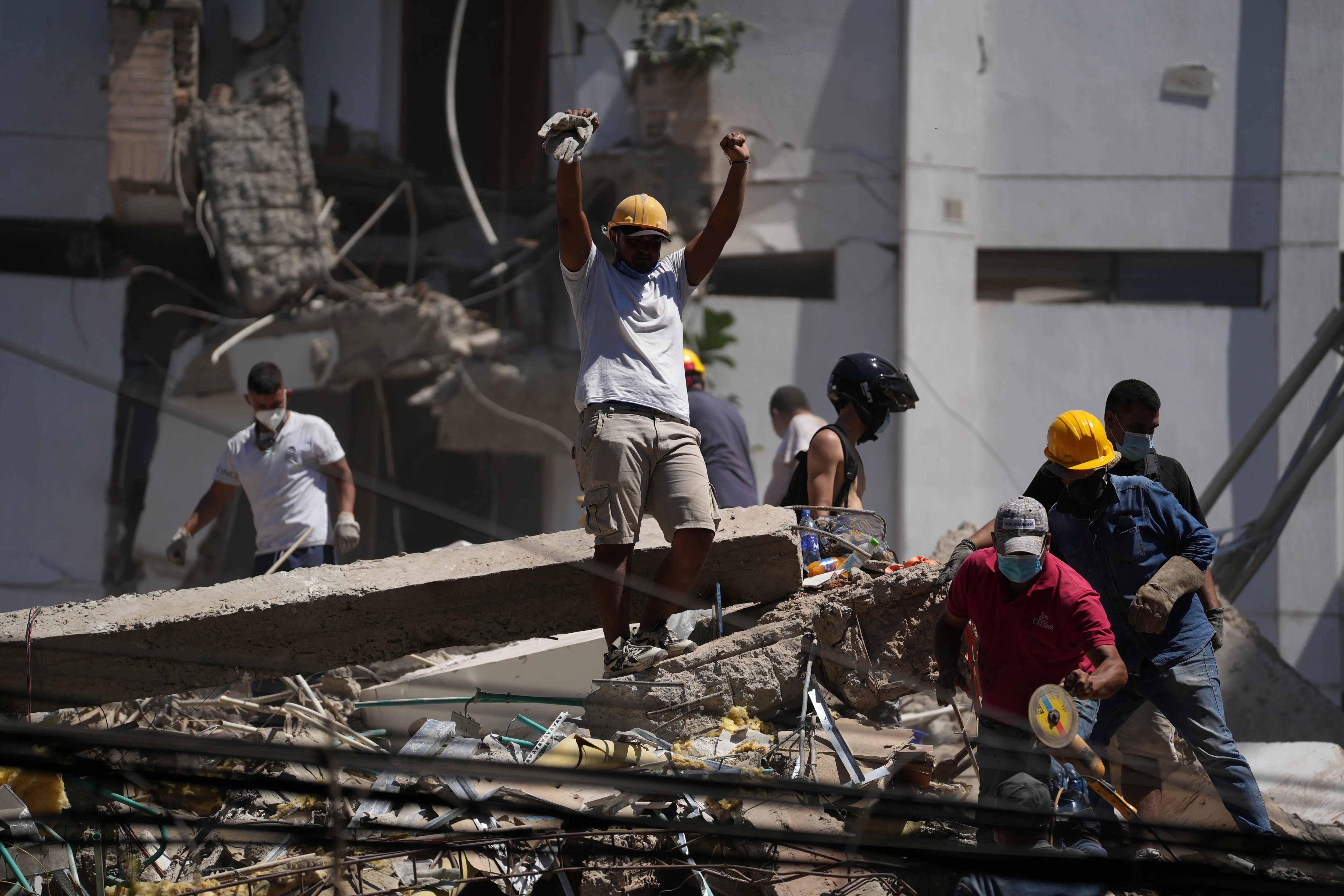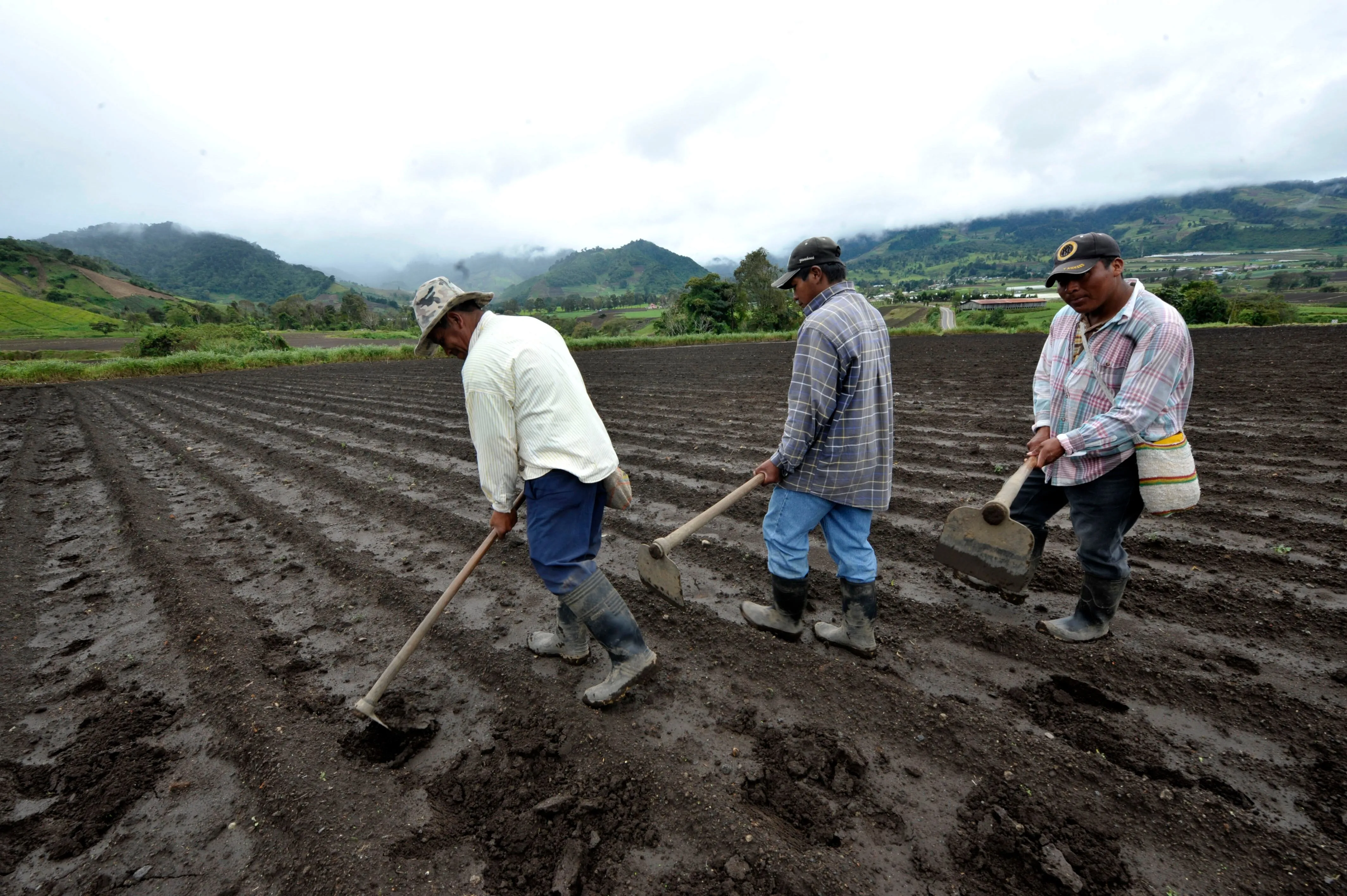
The climate of El Niño, to be spread up to 2027 at the coast of the Tropical Pacific, could have an adverse impact on employment, reduce income and worse employment conditions in Latin America and the Caribbean, especially for informal and rural workers, according to a research published this Monday by the International Labour Organization (ILO).
The ILO paper explained how an impact of an impact on agriculture, fishing, energy, logistics and other economic sectors, with potential implications for employment, food insecurity, rising food and energy prices and an increased risk of child labour, have been affected by an impact on agriculture, fishing, energy and other economic sectors.
The ILO policy note entitled “El Niño 2026-2027 and the world of work in Latin America and the Caribbean: a causal chain from climate to employment and labour institutions,” emphasized that this phenomenon represents an important challenge for employment and decent work in the region.
ILO’s Deputy Regional Director for Latin America and the Caribbean, Fabio Bertranou, stated that “the magnitude of its impact will depend on countries’ ability to anticipate with strong labour institutions, social protection and social dialogue that will protect the most vulnerable.” The study emphasized that informal, rural and outdoor workers are among the groups most at risk of loss of income, deteriorating working conditions and risks to occupational safety and health.
Thus, research indicates that while the Central American Dry Corridor, the Caribbean and North South South America would face mainly droughts, water deficit and heat waves, the Pacific coast of Ecuador and Peru could be affected by extreme rain and flooding and South South Africa by more than average rainfall and severe storms.
These differences translate into different risks for sectors such as agriculture, fisheries, construction, logistics, transport, tourism and energy generation, noted the ILO study.
He also noted that high labour information in the region increases vulnerability to these phenomena, with nearly half of workers in Latin America and the Caribbean performing in the informal economy with limited access to climate crisis protection mechanisms.
That’s why jobs and income impact could be focused precisely on those with less tools to face them, she said.
The ILO identifies among its priority actions to address this issue, strengthening social protection systems, expanding coverage for vulnerable workers, investing in resilient infrastructure, strengthening safety and health at work, developing early warning systems and promoting social dialogue to agree on responses tailored to the needs of individual countries and production sectors.
He also called for El Niño to be seen not only as a climate phenomenon but as a process with an impact that can spread from climate to employment and jobs.