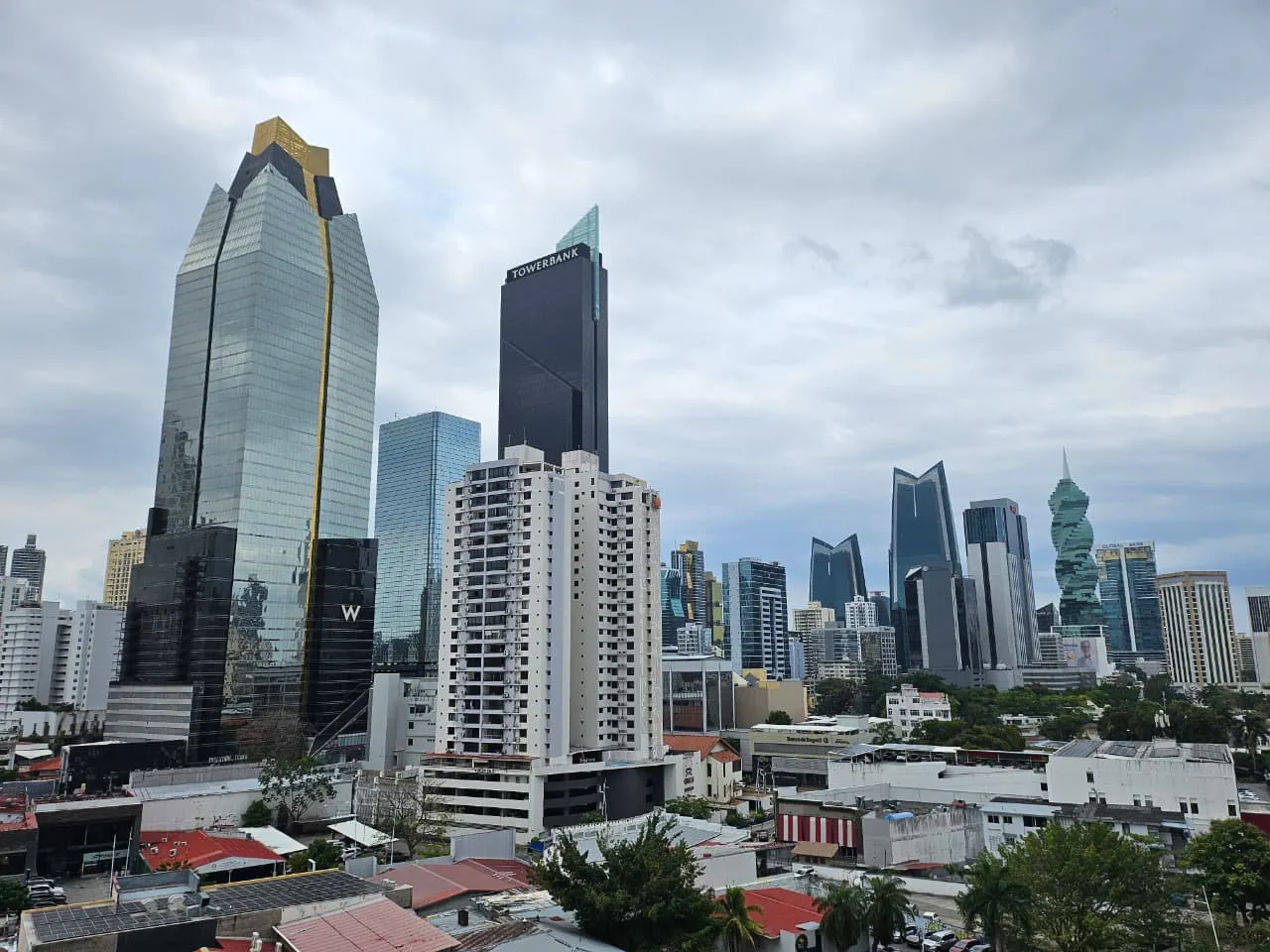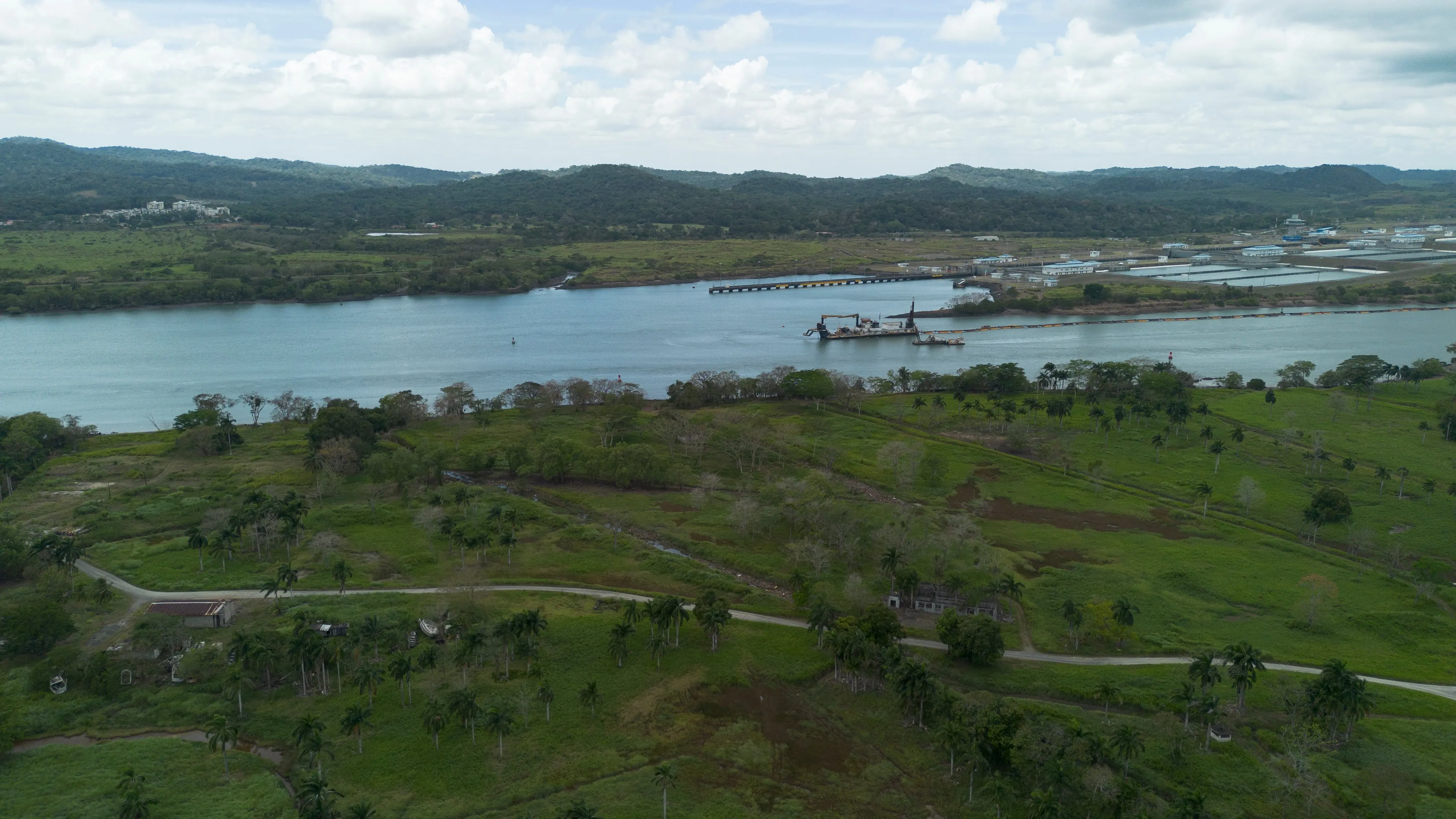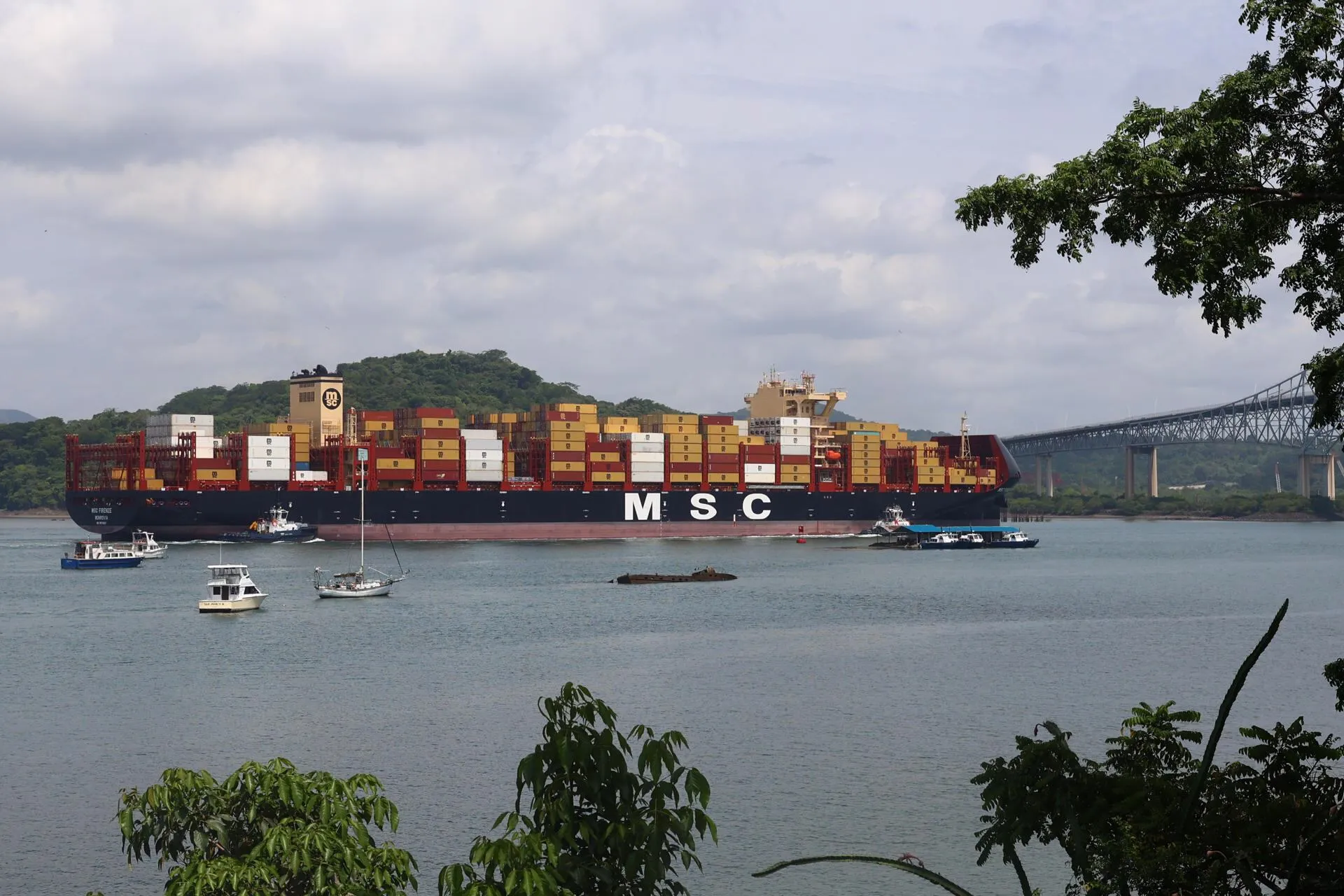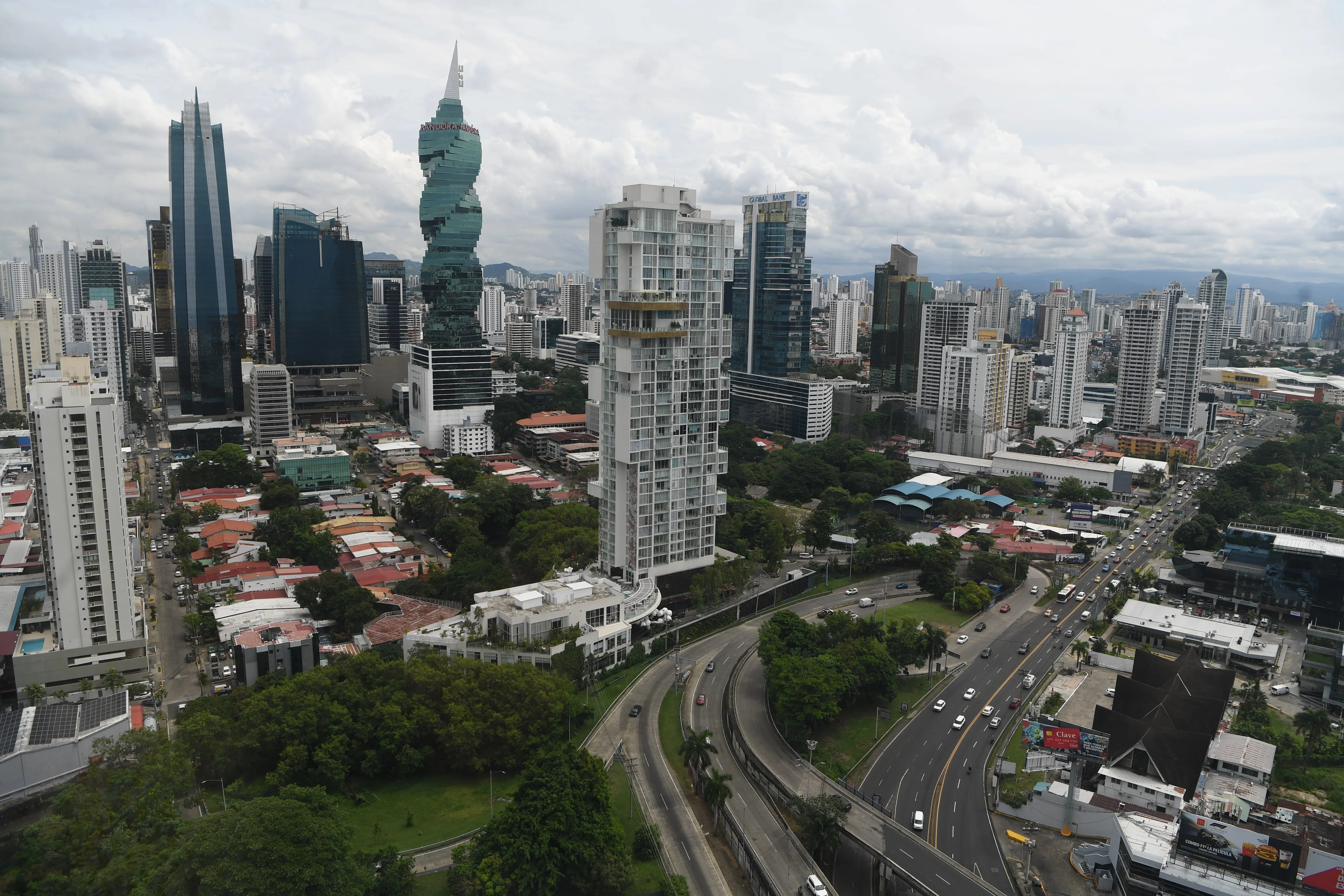
The Panamanian economy will grow at a good rate even above the average of the Latin American and Caribbean region but will continue to be under pressure from increased public debt and the burden of interest payments for these claims.
That was a report by the risk qualifier Moodys, who analysed the prospects and outlook of the sovereign debt of countries in the region in a context of political changes, geopolitical tensions and attempts by several Governments to put public finances into order as with Panama.
The report indicates that the average growth of real gross domestic product (GDP) in Latin America is estimated at 2.5% for 2026 and 3% for 2027 from a modest growth of 2.8% for 2025.
While Panama with a negative Baa3 credit rating by Moody’s, with other countries, is expected to grow this year by 3.5% and by 2027 by 4.5%, prospects that it shares with Dominican Republic, Paraguay, Guatemala and Costa Rica.
The credit agency points out that the region’s economy is affected by persistent restrictions on investment and productivity but that it is less exposed to the impact of the conflict that occurred in the Middle East.
Another challenge that Moddy’s sees in the region is the debt burden, with high interest costs. The delay in tax cuts keeps financing costs high and increases interest payments, which will continue to absorb a significant share of public spending, fiscal revenues and GDP.
Moody’s points out that Panama still requires fiscal adjustment amounting to 1% of GDP to stabilise its debt ratio to GDP.
The estimate reflects the difference between the current primary balance sheet and the level required to prevent debt from growing further, with high financing costs.
The agency also points out that Panama’s interest spending nearly doubled in the last decade from 10% of public spending in 2016 to 18% in 2025.
At the end of May, Panama’s public debt balance amounted to $61.871.6 million, decreased by $24.8 million from its balance at the end of April 2026. The trend remains growing, however, as compared with a year ago. The debt increase between May 2025 and May 2026 was $5.715.7 million, from $56.155.9 million to $61.871.6 million. That represented an approximate increase of 10.2%.
At the same time, indicating that the share of public investment fell from 38% to 18%, a combination that reduces the state’s margin to finance infrastructure and sustain growth through increased investment.
Moody’s adds that the burden of Panamanian debt has increased by about 30 percentage points.
The qualifier points out that this pressure is highest in countries such as Brazil, Mexico and Colombia, where high debt combination, low growth and high prices require deeper fiscal adjustments, amidst rigid budgets that leave little room to cut spending or increase public investment.
Geopolitical Risks
Moody’s warns that Latin America faces additional risks from insecurity, political polarization and trade tensions between the US and China.
The agency points out that increased Chinese exports to the region can put pressure on local manufacturers while Latin American exports to China continue to be focused on raw materials such as minerals, soya and oil.
Amid that geopolitical landscape, Moody’s insists that Latin America will maintain a stable perspective but with an increasingly narrow space for manoeuvre: the region will grow under other emerging markets, will continue to carry high debt and face high financial costs as well as political, security and commercial risks. In that equation, Panama would have better performance, but should not neglect debt management to avoid new outlays.