Some $7 million could be required for the first phase of the urban renewal project in the area of Albrook, an initiative that aims to be concrete by updating the Partial Plan of the area of influence of Canal 1 of Metro Panama, S.A., currently under consultation.
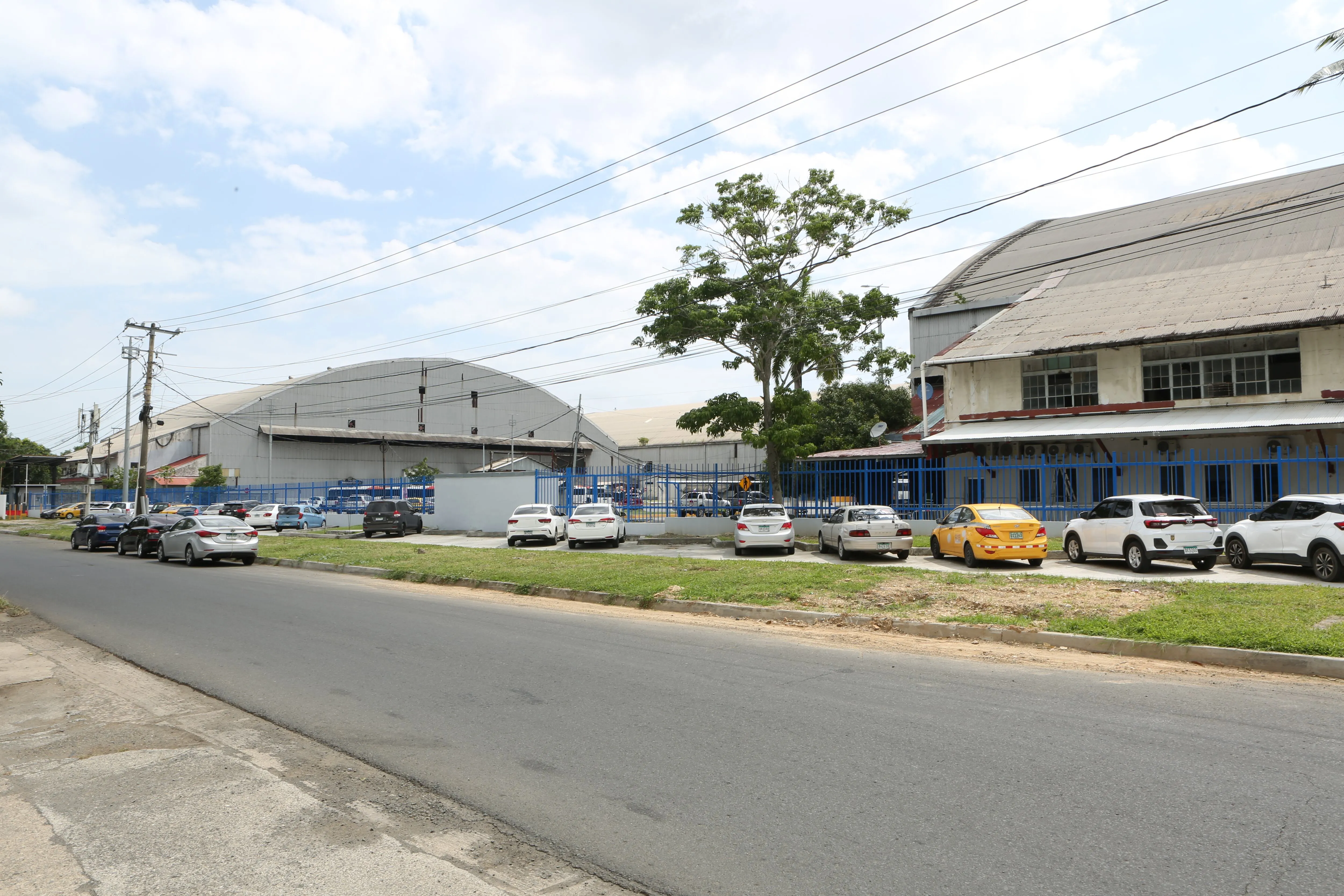
The proposal includes the reorganisation of state lands after the Albrook station at the Ancón Reg., where old hangars and warehouses of the Ministry of Public Works are currently found.
The development of commercial and institutional spaces and the future Government City are intended for this sector.
The master plan includes an area of about 50 hectares, of which 38 hectares are for development after the metro station at Albrook.
The Director of the Public Infrastructure Coordination Unit (UCIP) at MOP, Luis Sosa, explained that the first $7 million would be dedicated to enabling the ground by building streets, sidewalks and recovering public spaces.
“They are streets and paths and get back the share of the parks we have here, that’s what we are implementing at this stage,” Sosa detailed during a public participation day held on Tuesday, July 7, 2026, at which we presented an update of urban standards for this sector.
The official clarified that this investment corresponds only to an initial phase of the project, covering about 8 hectares located around the metro station at Albrook.
That phase forms part of a masterplan that includes the total development of 38 hectares within state lands that cannot be sold.
Sosa stated that an update of the Partial Plan aims at regaining the guidelines established by Act 21 of 2 July 1997, related to the territorial system of the former interoceanic region, integrating mixed uses and the concept of Transport-Oriented Development (DOT).
According to the MOP, the goal is to “make better use of urban space and promote more orderly development around the metro station at Albrook,” a place where users of lines 1 and 3 will converge in the future.
With the development of the future Government City, the Executive aims to reduce rental payments from state office at private buildings, such as Plaza Edison, where about $8 million per year are currently dedicated to rent.
One example is the Ministry of Commerce and Industries (MICI), which for more than 20 years has been keeping leased office at Plaza Edison with an accumulated payment of more than $24 million during that period.
The same building also operates office of the Ministry of Housing and Territorial Management (Miviot), an entity that participates in the update of the Partial Plan for Territorial Management of the Influence Unit of Metro Line 1.
During their presentation to the inhabitants they were told that the project includes government buildings up to 45 metres high, equivalent to about 10 to 12 floors, considering the closeness of Marcos A. Gelabert airport, which continues to operate in the area.
It was also reported that the first government building to be established as part of this development would be intended for the judiciary.
The director of UCIP reported that the commercial spaces referred to in the project will be developed directly by the State but through concessions to private operators.
“The state will not invest in this and simply the one that comes to distribute it will adapt it to create these premises,” she said.
Sosa clarified that the proposal does not belong to a traditional commercial centre but to spaces dedicated to gastronomic, commercial and community activities that allow them to maintain local businesses and generate jobs.
Civil servants and public officials have been trained.
“That’s not a mall. It’s a gastronomic place, because as we mobilise areas from different locations, people run out of spaces to eat or work. What we need is for local businesses to continue to exist and generate jobs,” she said.
According to the schedule submitted, first jobs could start by mid 2027.
A number of technical and administrative phases will have to be completed earlier.
The project will continue with new public participation sessions in nearby communities.
The first meeting was attended by residents of Albrook, Altos and Llanos from Curundú and Diablo Heights.