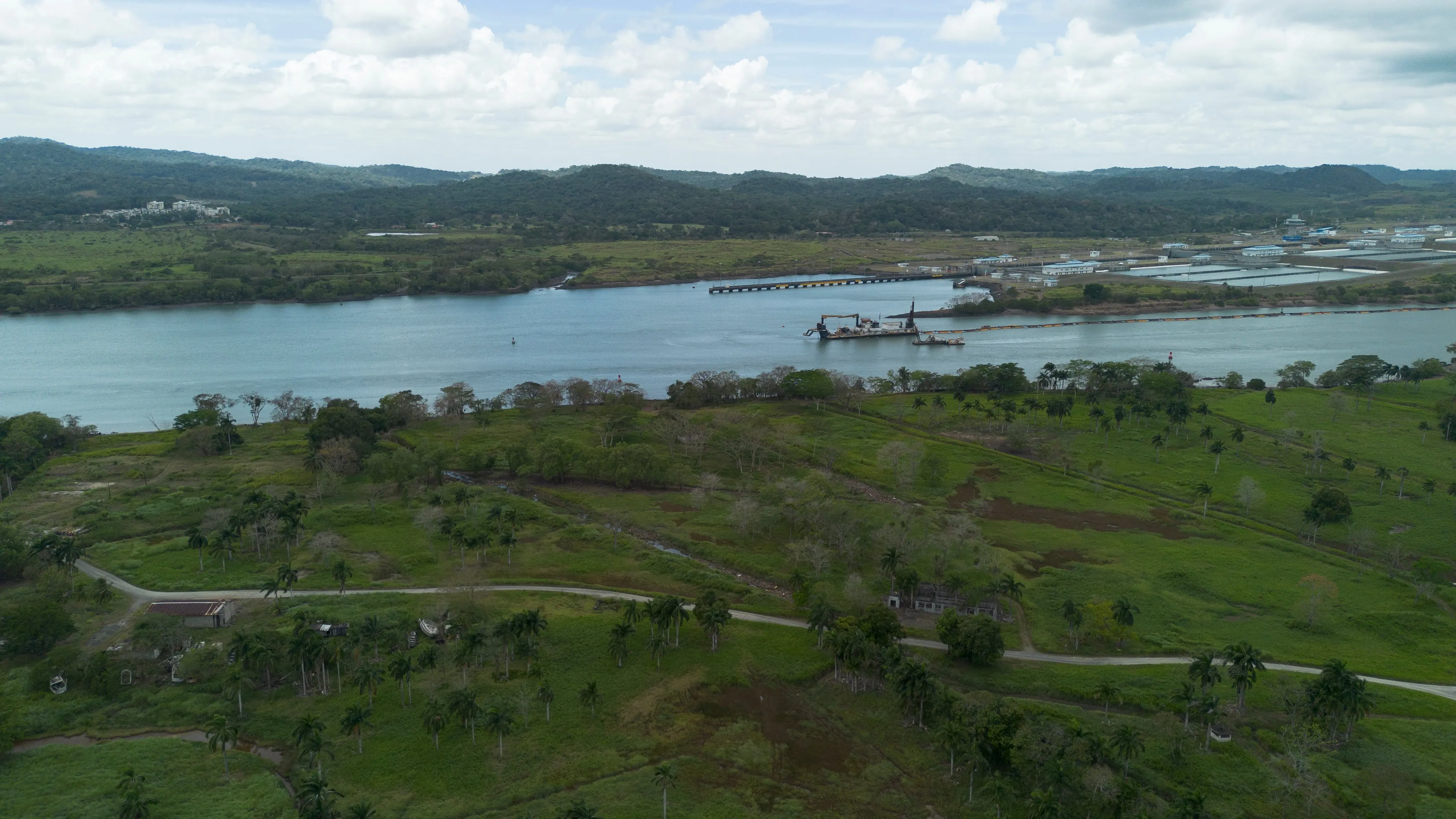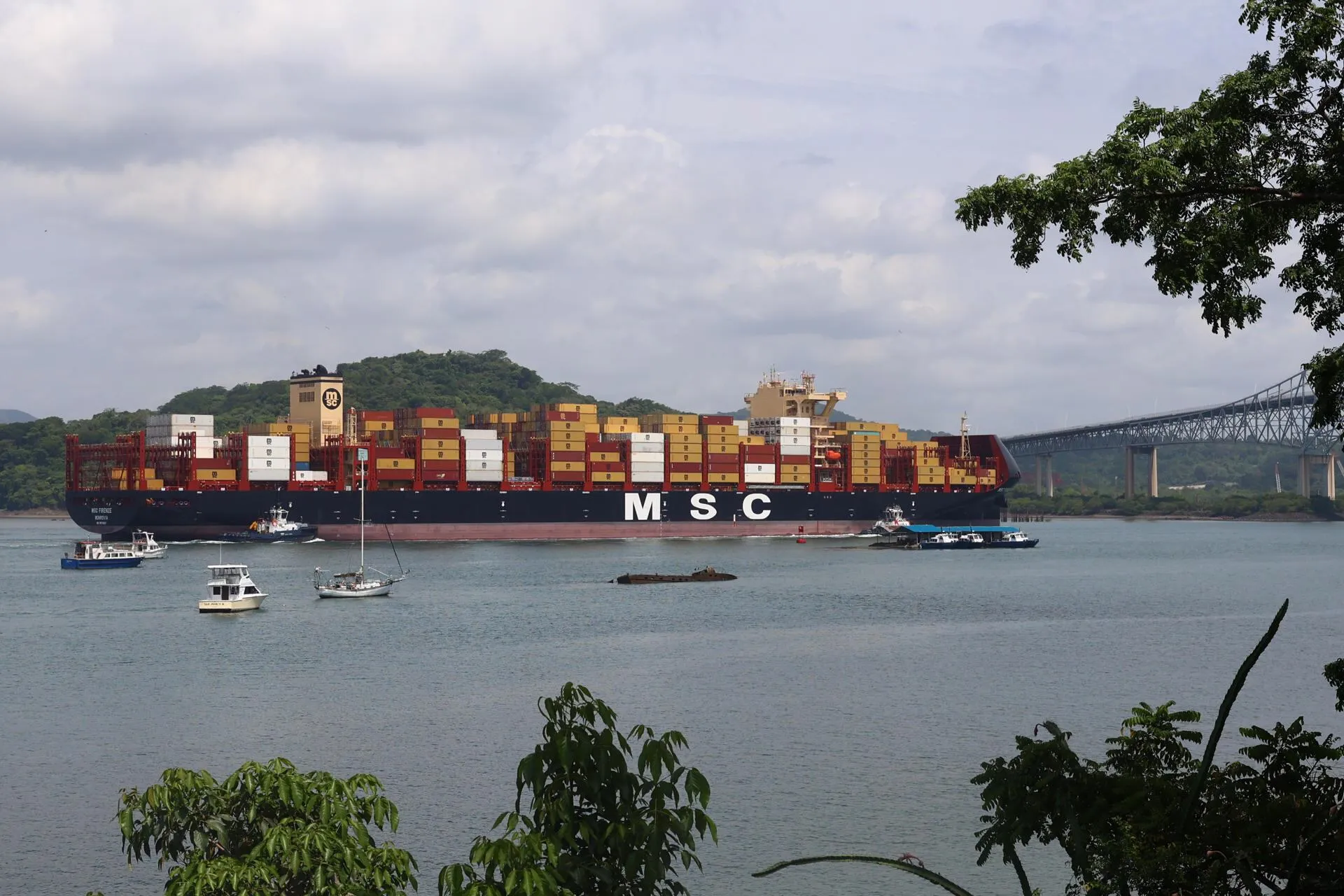
The Panama Canal anticipates the effects of the El Nino phenomenon with the progressive reduction of the draft allowed for neopanamax ships that transit, that is, it puts some limits on the depth that a ship can reach within the water of the interoceanic waterway between the waterline and the lowest part of the hull at the time of passing through the enlarged locks.
The announcement will have ships planning to have some ships carry less cargo, tighten their operation or have better water conditions to get through as determined by the companies.
The first phase will be a gradual reduction and will come into effect on 3 July with a 49.5 foot (15.09 m) landing while by 24 July a second step to 49 feet and by 15 August to 48.5 foot or 14.78 m, while an anticipates that between April and May 2027 it could fall to 44 feet (13.41 m) while under normal conditions at the gates of the enlarged Canal this step is 50 feet, equivalent to 15.24 m.
Measures will inevitably impact Canal coffers or revenues.
The Assistant Administrator of the Panama Canal Authority, Ilya Espino de Marotta, admits this but indicates that it’s still premature to give a figure. “When the level of tonnage passing through the Canal is restricted and thus the level of income will be lower than estimated,” she explained by clarifying that for this opportunity they hope to avoid reducing the number of daily transits.
In the recent drought between July 2023 and May 2024, the Canal estimated that it would stop realizing between $500 million and $700 million in income as a result of the effect of reduced water and water-saving traffic.
For the so-called super Nino that we are expecting next year, the ACP’s forecasts and economic calculations are back up: “we are looking at the 2027 budget and as we go to the Cabinet Council and later to the National Assembly we will know the impact,” Marotta stated by stating that they have been taught at 2023 when measures have been taken for drought for more than 10 months.
Even with these reduction forecasts that were made in 2023, at the end of that fiscal year to surprise many, the Panama Canal closed with income of $4.968 million, 15% more than 2022.
That increase in fiscal year’s income 2023 was attributed to the allocation of quotas or reserves through auctions that are made so that ships can secure their passage through the Canal at times of increased demand for transits.
In 2024, revenues closed by $4.986 million but have grown at a modest share of 0.4% as compared with the previous year, and have been affected by drought mitigation measures that have been sustained up to May 2024.
The following year 2025, the results were also favourable and with regular daily traffic and paving as usual: Canal income reached $5.705 million, representing 14.4% more than reported in the previous period (2023-2024), which was for $4.986 million.
The Assistant Administrator clarified that for the dry period estimated in the summer of 2027 they hope that they will not reduce the number of daily transits as if they did in 2023 as they have been reduced by 25 crossings a day.
The daily average number of transits has currently ranged from 36 to 41 in some cases, as a result of an increase in crossings as a result of the deviation of some routes from ships that carry Liquefied Natural Gas, earlier with countries that are across the Strait of Hormuz.