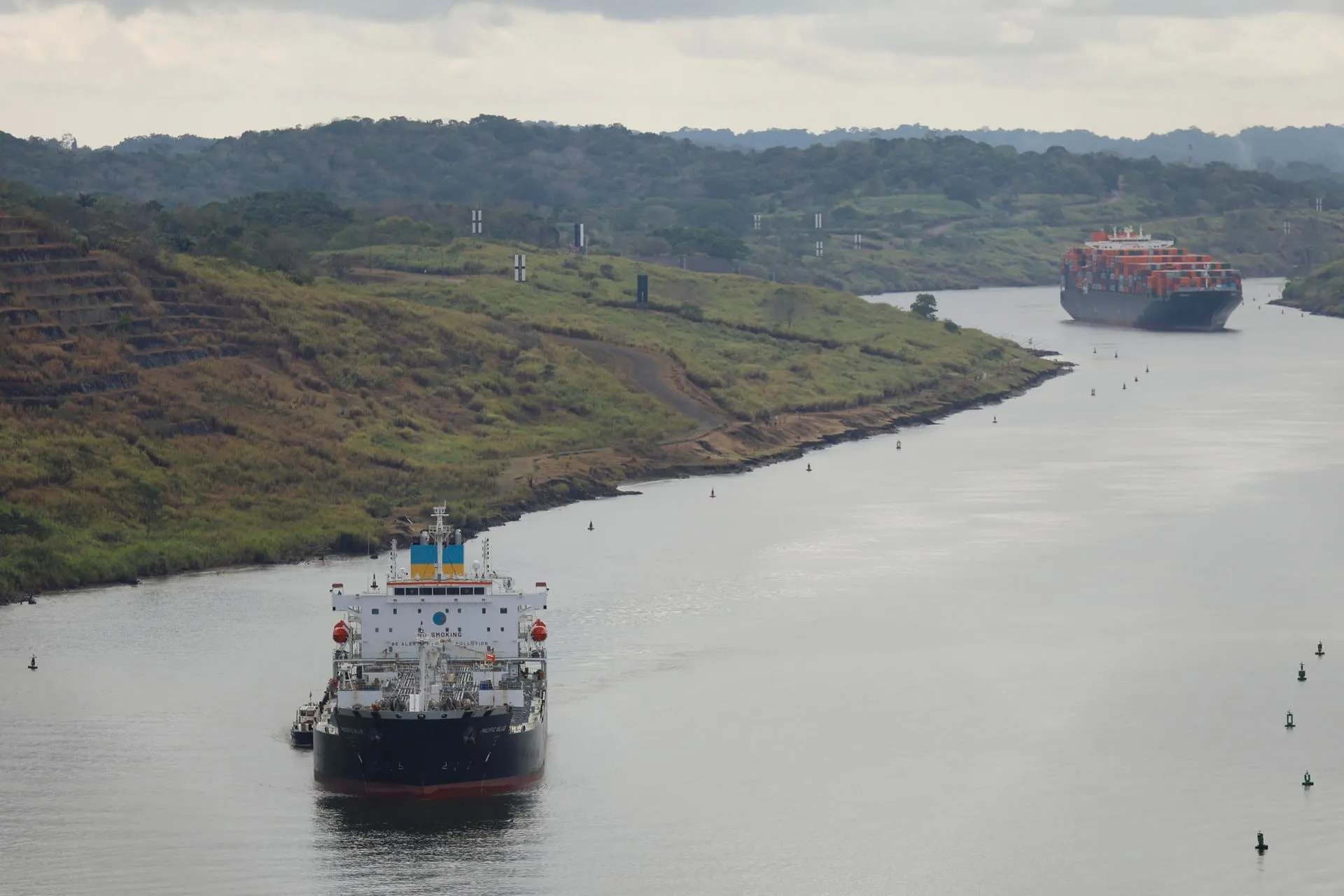
Traffic through the Panama Canal maintains an upward trend. In the first 10 months of fiscal year 2026, deep-draft vessel crossings increased 6.1%, driven mainly by the growth of Neopanamax transits and segments such as chemical tankers, tankers and gas tankers.
According to statistics published by the Panama Canal Authority from October 2025 to July 2026, traffic of deep-draft ships across the Panama Canal reached 10,623 crossings, as compared with 10,010 in the same period of the previous fiscal year, an increase of 613 transits or 6.1%.
The growth was more marked in Neopanamax ships, which increased 9.4%, from 2,732 to 2,990 transits, while Panamax increased 4.9%, from 7,278 to 7,633.
The largest increases have been reported by segment in chemcal tankers, from 1,850 to 2,181 transits as compared with 10 months of fiscal year 2026 versus the same period of year 2025, an increase of 17.9% and tankers, with an increase of 18.4%, with an increase from 370 to 438 crossings and gas tankers, with an increase of 6.9%, from 1,499 to 1,603.
Vehicle carriers (5.6%) and container ships (1.5%) also grew.
The segment of LNG showed the highest percentage growth from 47 to 83 transits, an increase of 76.6% in the first 10 months of fiscal year 2026 versus the same previous period.
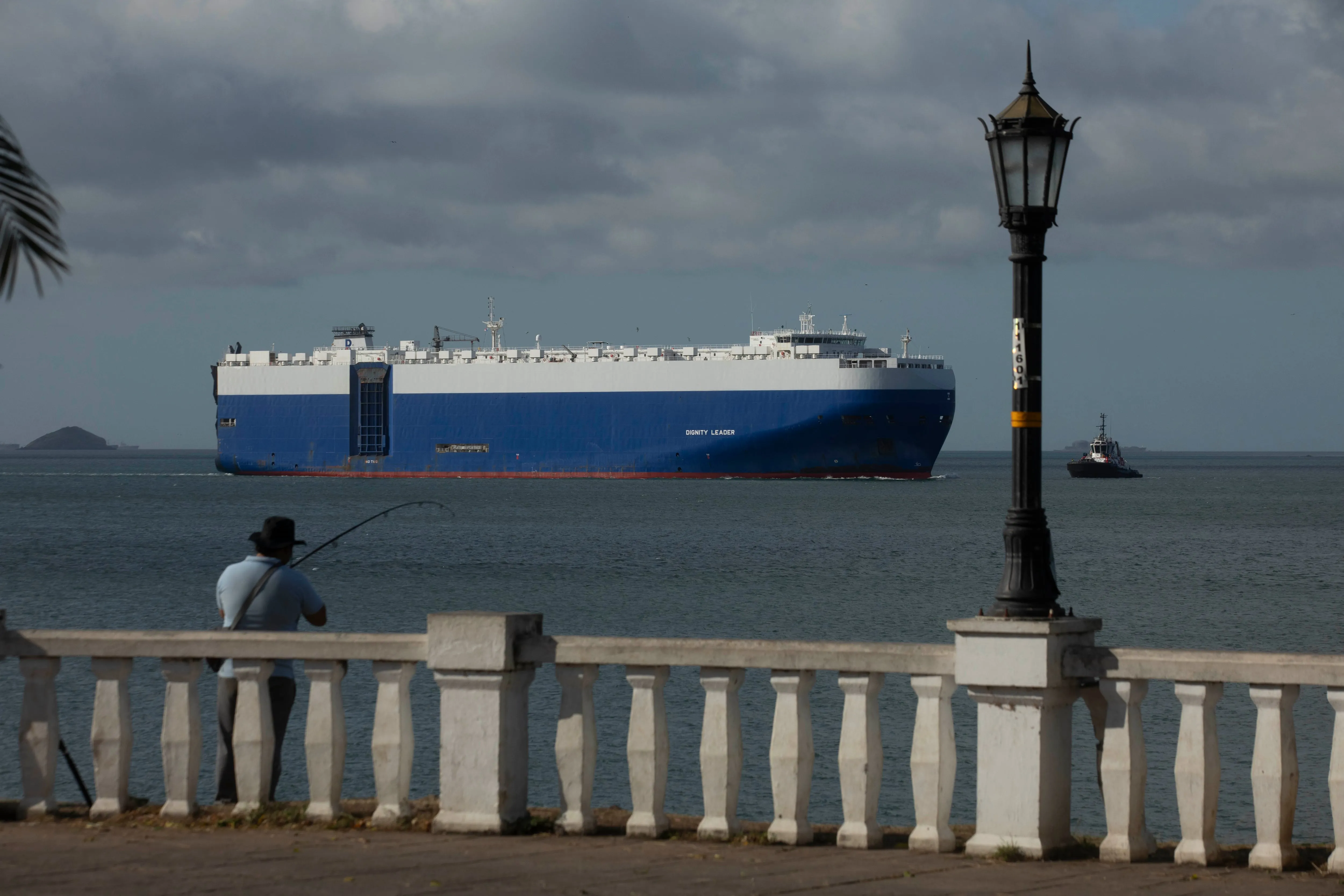
Meanwhile, Ro-Ro vessels or vehicle carriers rose from 735 to 776 crossings, which represents a growth of 5.6%.
In July 2026, 1,055 ocean ships passed through the Panama Canal, equivalent to an average of 34.03 daily transits.
Of that total, * * 570 were Panamax / Sus ships * *, 310 Neopanamax and 175 ships with manga less than 91 feet. Of that total, 570 were Panamax/Supers vessels, 310 Neopanamax vessels and 175 vessels with beams less than 91 feet.
The average time in the waters of the Canal was 25.38 hours, while the effective transit took an average of 10.87 hours.
At the end of last month, the day with the highest movement reached 37 transits, while the one with the least activity registered 25.