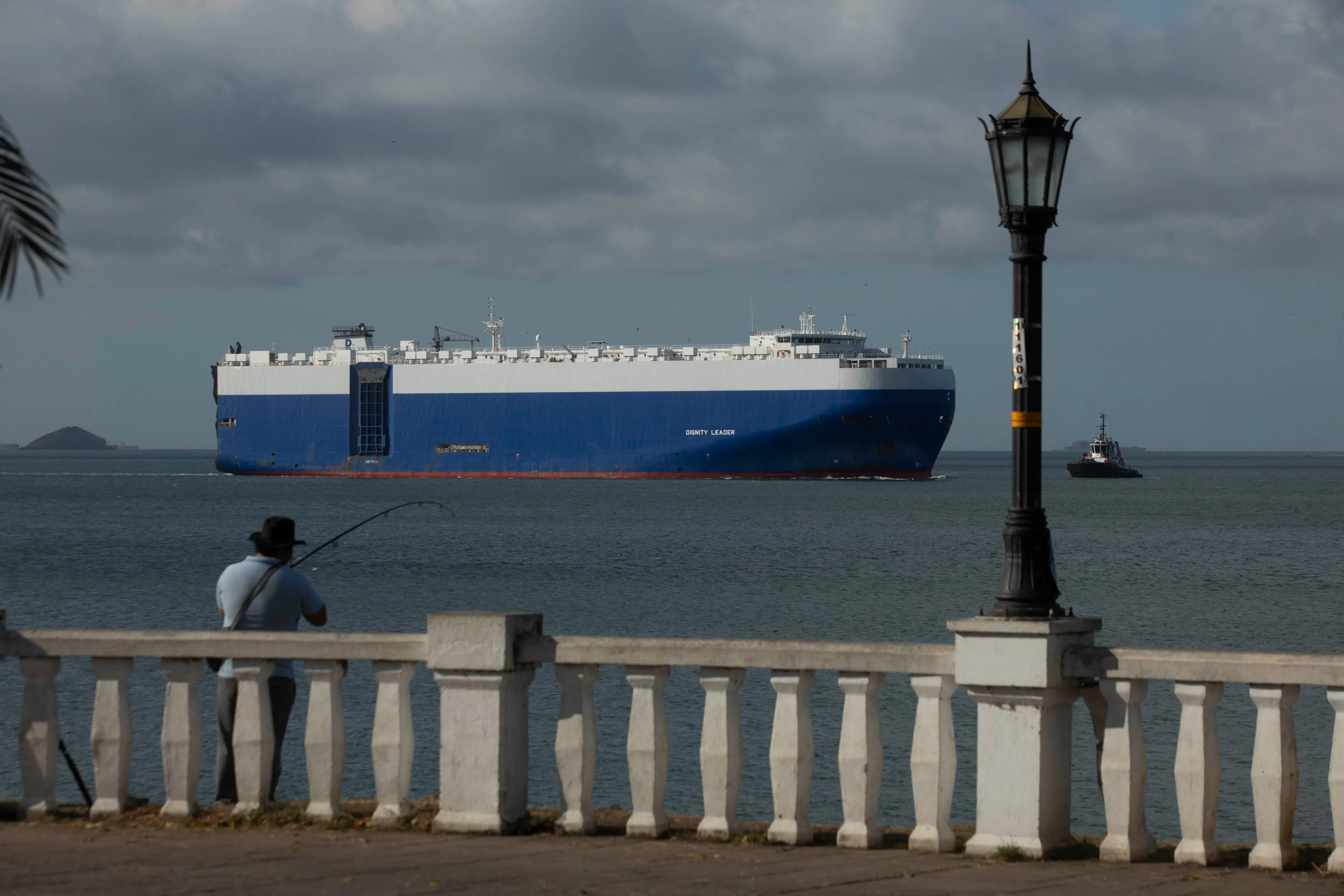
Tensions in the Middle East are pressurizing global prices.
One of the most direct challenges is the price of oil and its products.
Ground, sea and aviation transport depend on fossil fuels and so every time the oil barrel fires, an entire global supply and mobility chain is affected.
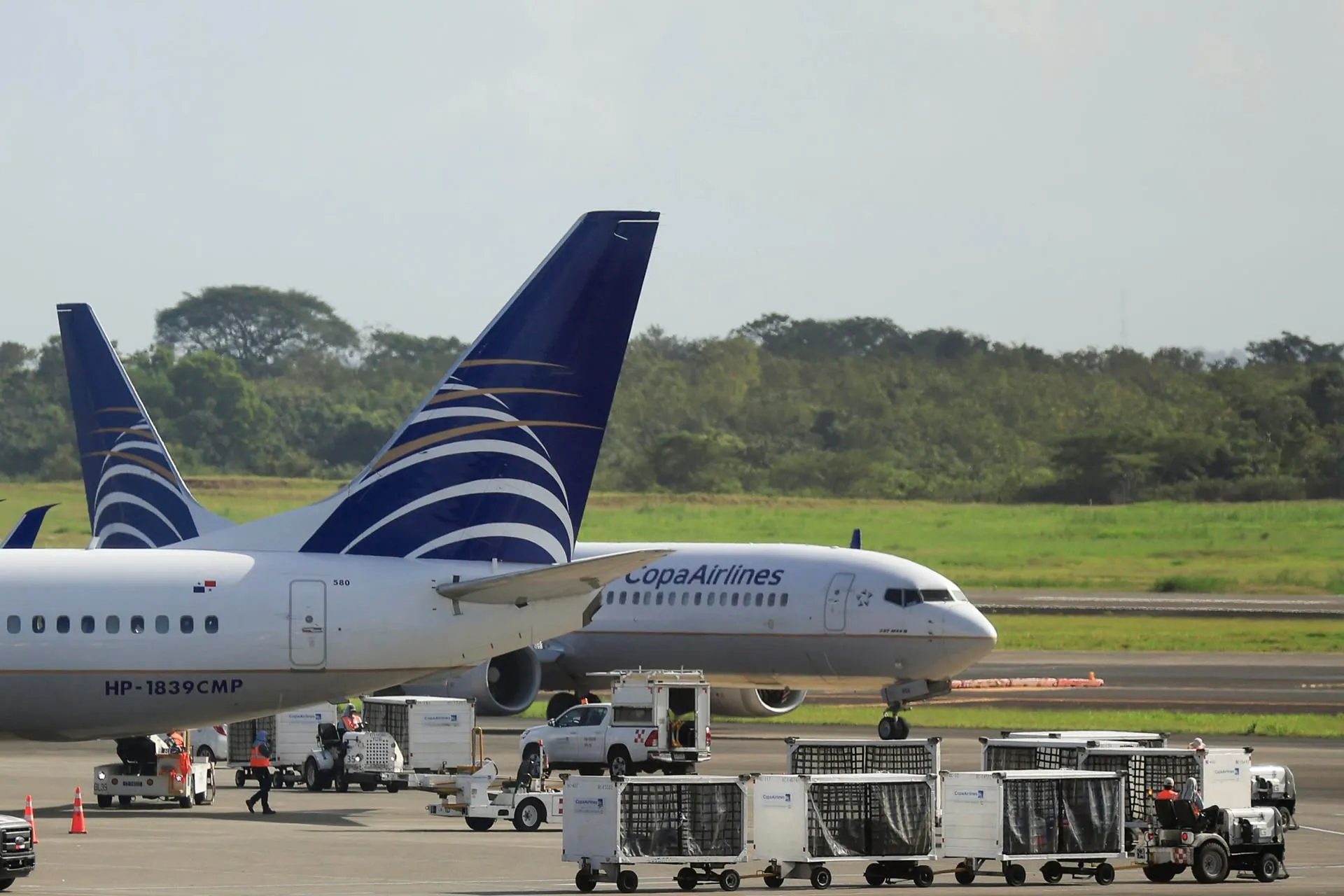
The price monitoring report of jet fuel, special aviation fuel, prepared by the International Association of Air Transport with data from Platts and S&P Global, reveals that this input increased 7.4% in a week and reached $194.90 per barrel at the close of September 18.
The value also represents an increase of 24.2% relative to the mean of the previous month and an increase of 116.5% with respect to the same period last year.
Airlines negotiate fuel cover with an advance of 3 to 6 months or more, to secure supply and inventory, and this can in some cases reduce an immediate rise in the price transfer of tickets but its actual impact can be noted sooner or later.
On average, the cost of fuel for an airline accounts for between 30 and up to 50% of its expenditure structure as estimated by IATA.
Some airlines choose to reduce routes that are less profitable with respect to seating and some inevitably move up fuel to air passage.
But how does all this affect passengers? A passage to New York from Panama that cost less than $600 can now be $1,000 as per day and airline.
With a Google search for flights, to travel on December 8, 2026 from Panama, the prices that appear range from $740 for flights with a stop in Bogotá up to 10 and a half hours, or $784 for direct flights back and forth.
Other options with stops in Miami are from $900 and on direct flights with U.S. airlines from $1,002.
The prices vary with the airline and selection of the seat and ticket type as well as with the days you travel.
For Festivals, that’s to say, in November, for the same destination there are tickets dating from Panama on November 1 at $654, others at $740 onwards.
A back and forth flight between Panama and Madrid by December 2026 prices from $1,132 with required prices and taxes included.
The most economic option includes a direct journey with an approximate duration of 9 hours and 35 minutes while other alternatives with a stop range range from $1.323 to $1.421 with travel times that exceed 13 hours.
Tourist operators recommend booking with about 5 to 3 months in advance to take advantage of offers, or even hire tiered payment plans to book tour and find offers.
IATA’s vice president for amelics and CEO of the Latin American and Caribbean Association of Air Transport, Peter Cerdá, warned that in this context of pressures on the costs of airlines with high increases of aviation fuel by geopolitical tensions, it’s vital that regulatory decisions by governments preserve the competitiveness of air transport and promote connectivity.
IATA has always been aware that a great part of the cost of tickets goes to airport and government charges and taxes for both passengers in transit and service.
Ricardo Del Piano, an aviation expert from Chile, says that while there’s strong pressure for fuel costs, the position of Latin American airlines is more advanced with respect to markets more exposed to conflict in the Middle East, as are those of that region as well as Asian and European countries.
Despite high prices, consumers in Latin America and the Caribbean continue to be interested in both intraregional and other continents.
ALTA’s data indicates that at the end of July they travelled about 43.1 million passengers throughout the region, an interyear growth of 0.7%.
Brazil, Mexico and Colombia have been growing again while Panama has been with a double-digit expansion.
Between January and July, the region mobilized 283.1 million passengers, 2.0% more than in the same period of 2025.
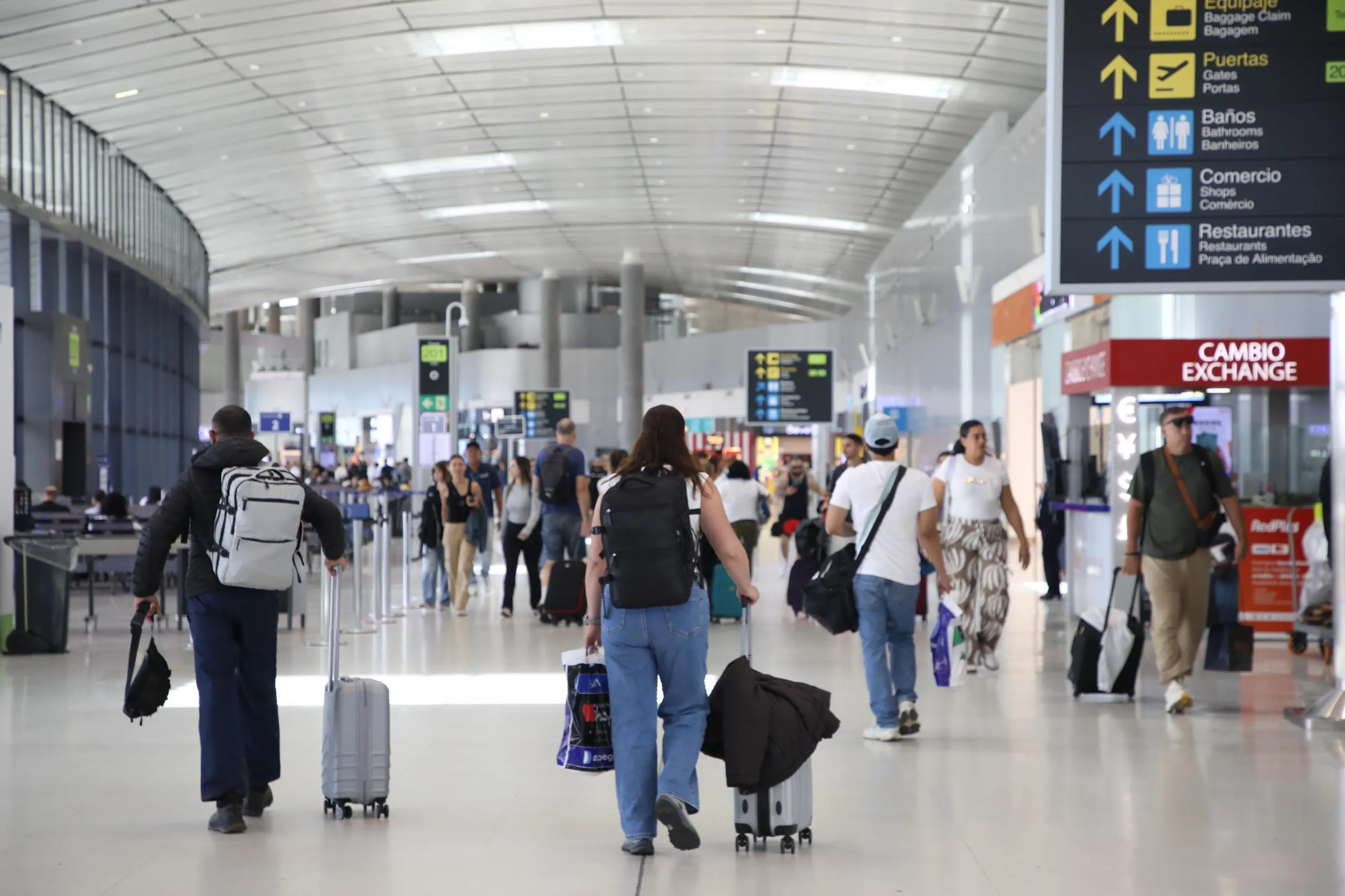
Panama is one of the high-growing markets at the close of August that are the most recent figures, have been travelling through Tocuman airport 2.13 million passengers and in 8 months the accumulated has been more than 15.85 million passengers.
The traffic maintained the international profile of the airport: 74% of passengers were connected passengers.
During August, 277,653 people landed at Tocumen to Panama City while 270,707 people left from Panama.