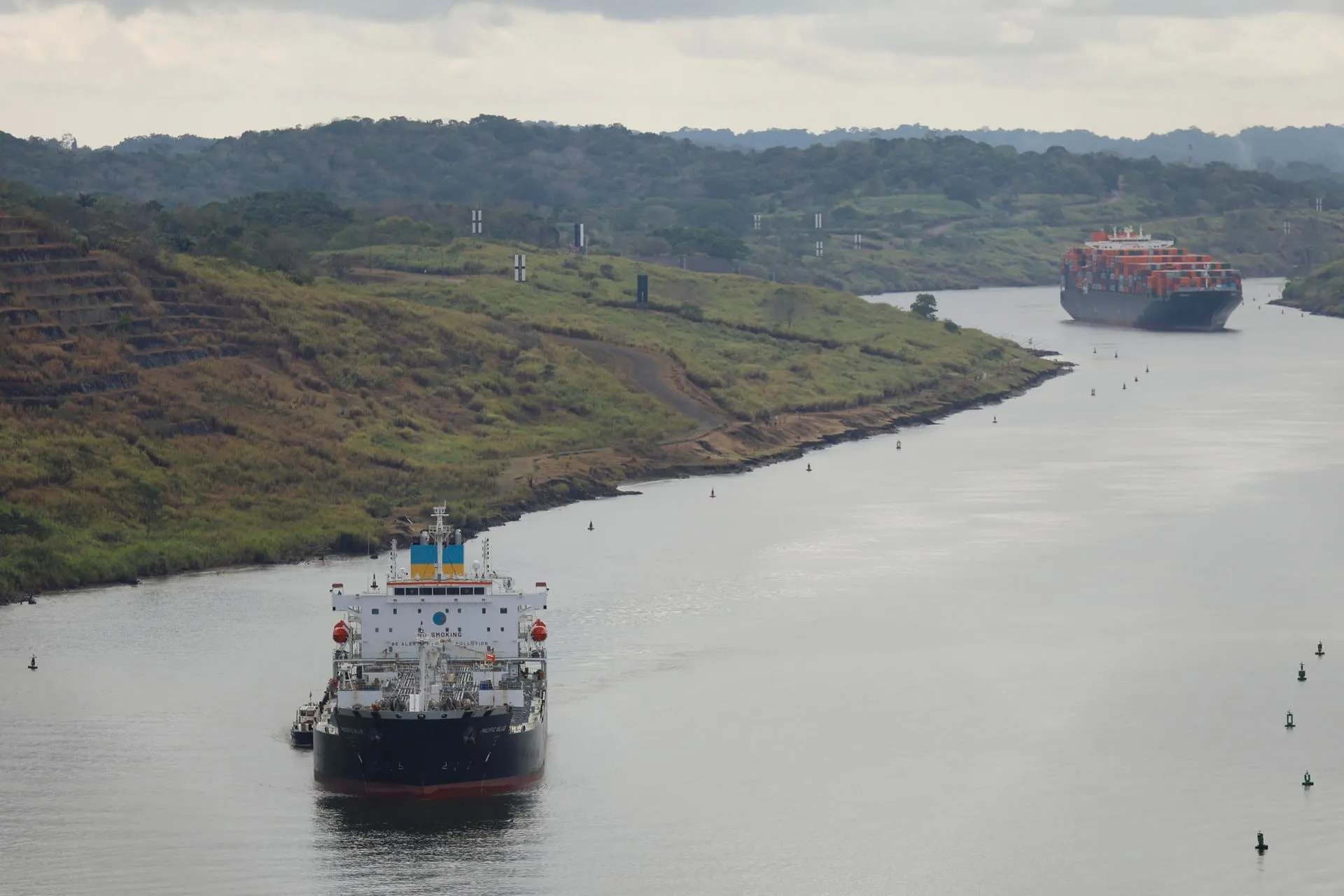
The Panama Canal is a thermometer of world trade. The interoceanic track crosses between 5 and 6% of the goods that are moved by ship globally.
Between March and June of this year the disruptions at the Straits of Ormuz by the conflict in the Middle East have turned the traffic of ships from Liquid Natural Gas and Liquid Oil Gas through the Canal, as the supply is moved to suppliers from the Gulf of Mexico to customers from Asia and other regions. That concurrently fired traffic through the Canal with a high of 41 crossings after a few days.
Following the crisis, the route has been flying to its level, mentioned Assistant Administrator Ilya Espino de Marotta, noting that the Canal is at an average of 37 crossings a day.
“The Canal goes from 34 to 36 ships a day, but there was a period at which these transits increased to 40 and 41, currently we have returned to 37 transits. We do not know how long that increase will be sustained [recorded by the interruptions at Ormuz] but has been down from 40 to 37”, Marotta detailed.
At the end of June and from October 2025, a period of 9 months in fiscal year 2026, the Canal accumulated 9,568 transits from high-level ships, of which 6,888 were registered at the panamax and 2,680 at the neopanamax locks.
That number of accumulated transits represented an increase of 6.3% or 570 additional transits as compared with the 8,998 transits reported between October 2024 and June 2025 referred to fiscal year 2025.
The increase was mainly sustained by neopanamax locks, from 2.433 to 2.680 transits, an increase of 247 crossings or 10.2%.
The panamax locks, for their part, increased from 6,565 to 6,888 transits, 323 more than in fiscal year 2025, for an increase of 4.9%.
With that conduct, the participation of enlarged locks within high-level traffic increased from 27.0% to 28.0%.
The chemkers were the segment with the largest contribution to the total increase. The transits increased from 1,662 to 1,960, amounting to 298 additional crossings and an increase of 17.9%.
The growth focused nearly completely on the Panamax locks, which mobilized 1,956 of these ships while the Neopanamax registered four transits of this type of load.
The rest of the segments shown mixed performance.
Gas embargoes increased from 1.339 to 1.430 transits, an increase of 6.8%, supported mainly by increased movement at the neopanamax locks, where they increased from 782 to 819 crossings.
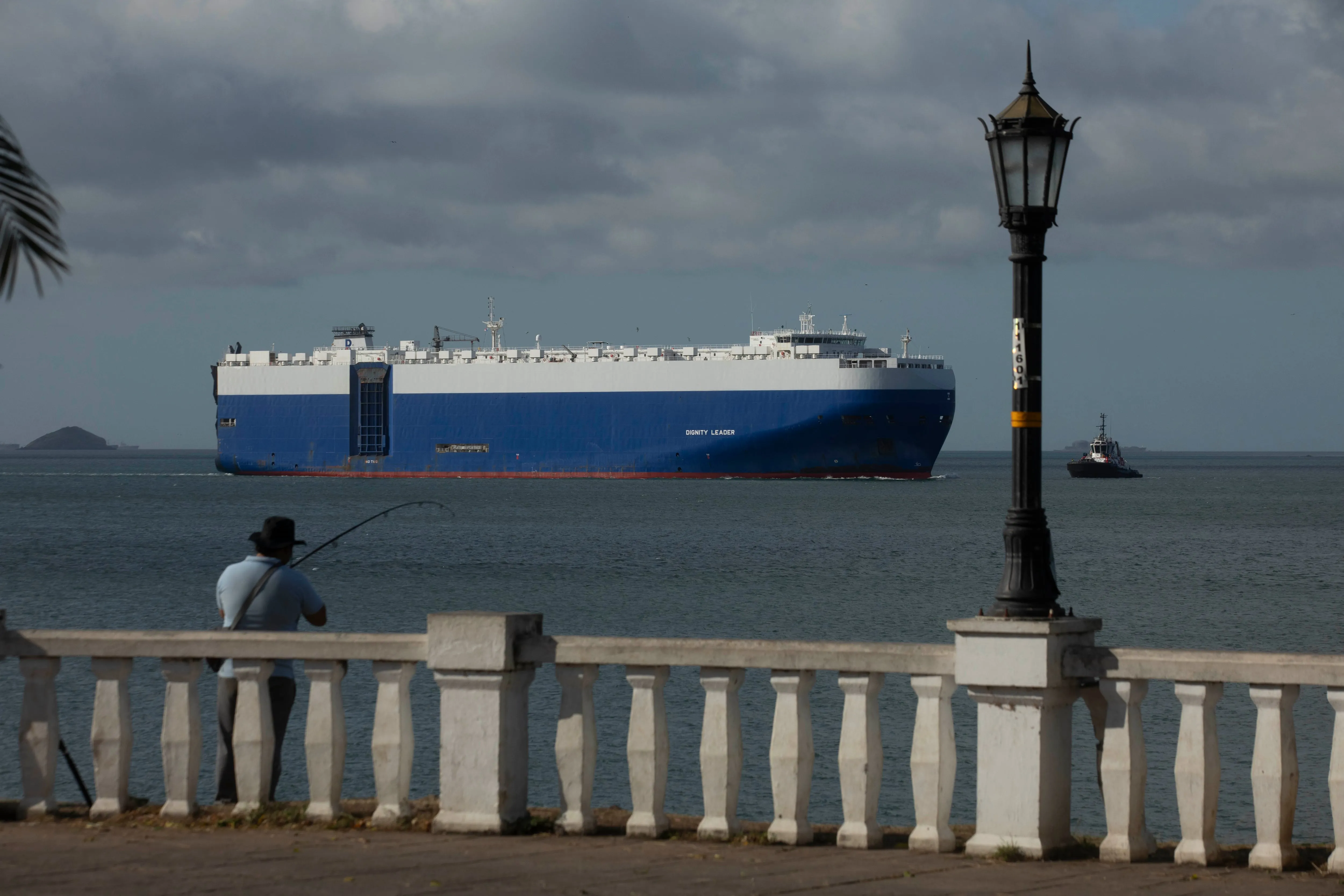
The tankers increased from 319 to 408 transits, an advance of 27.9%, while the carrier vehicles grew from 654 to 693.
The bulk pits increased from 1,633 to 1,675 and those chilled from 416 to 434.
The transit of liquefied natural gas increased from 38 to 62 ships but remains a low share of the total, as Canal earned ground in this market. In contrast, the overall load fell from 342 to 316 transits and passenger ships decreased from 205 to 179.
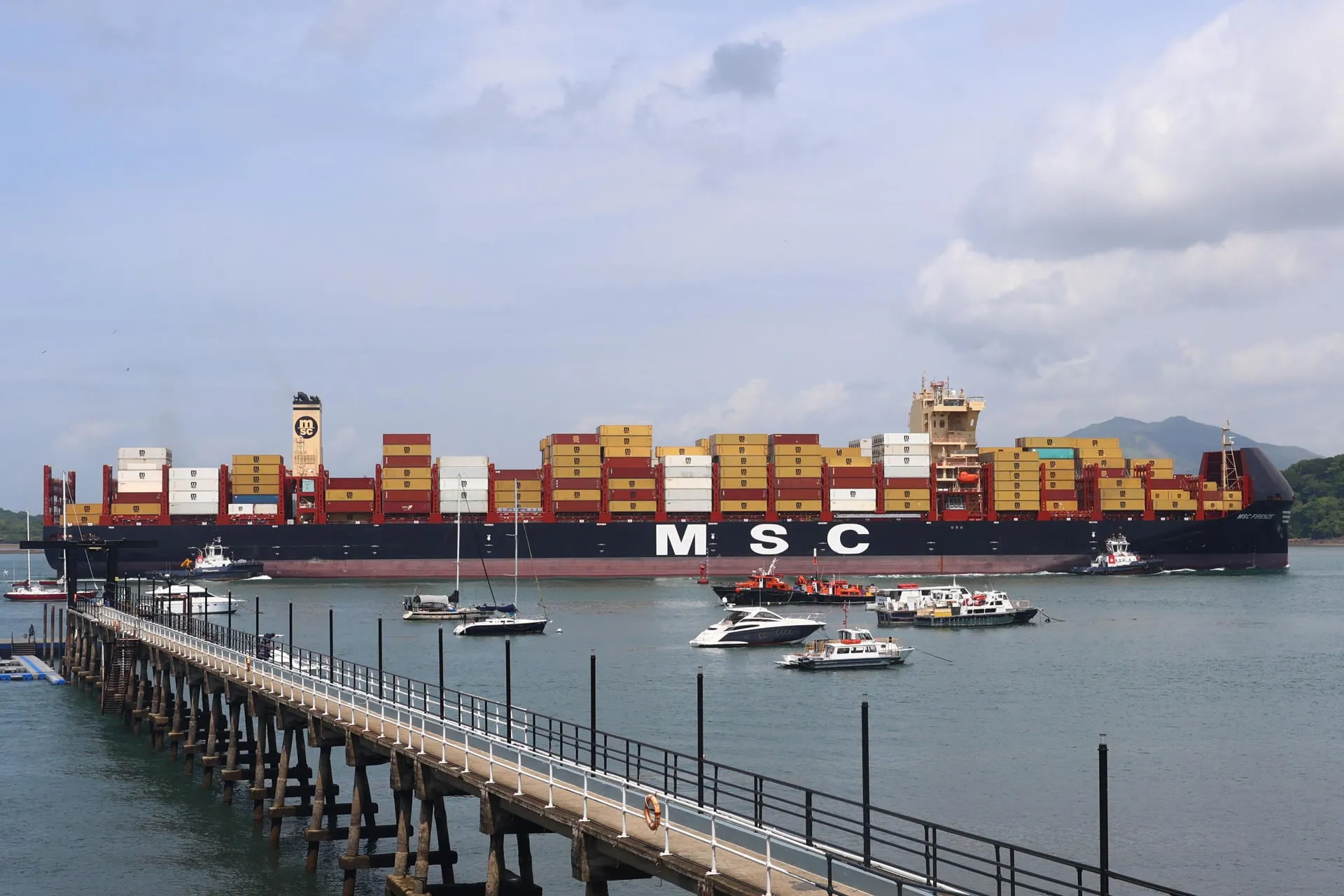
The container carrier remained practically stable from 2.156 to 2.172 crossings in the relative period and remains the largest segment of ships across the Canal.
The increase at the crossings of container ships occurred mainly at neopanamax seatlights, where the transits increased from 1.439 to 1.552, which compensated for the fall at the panamax, from 717 to 620 crossings.