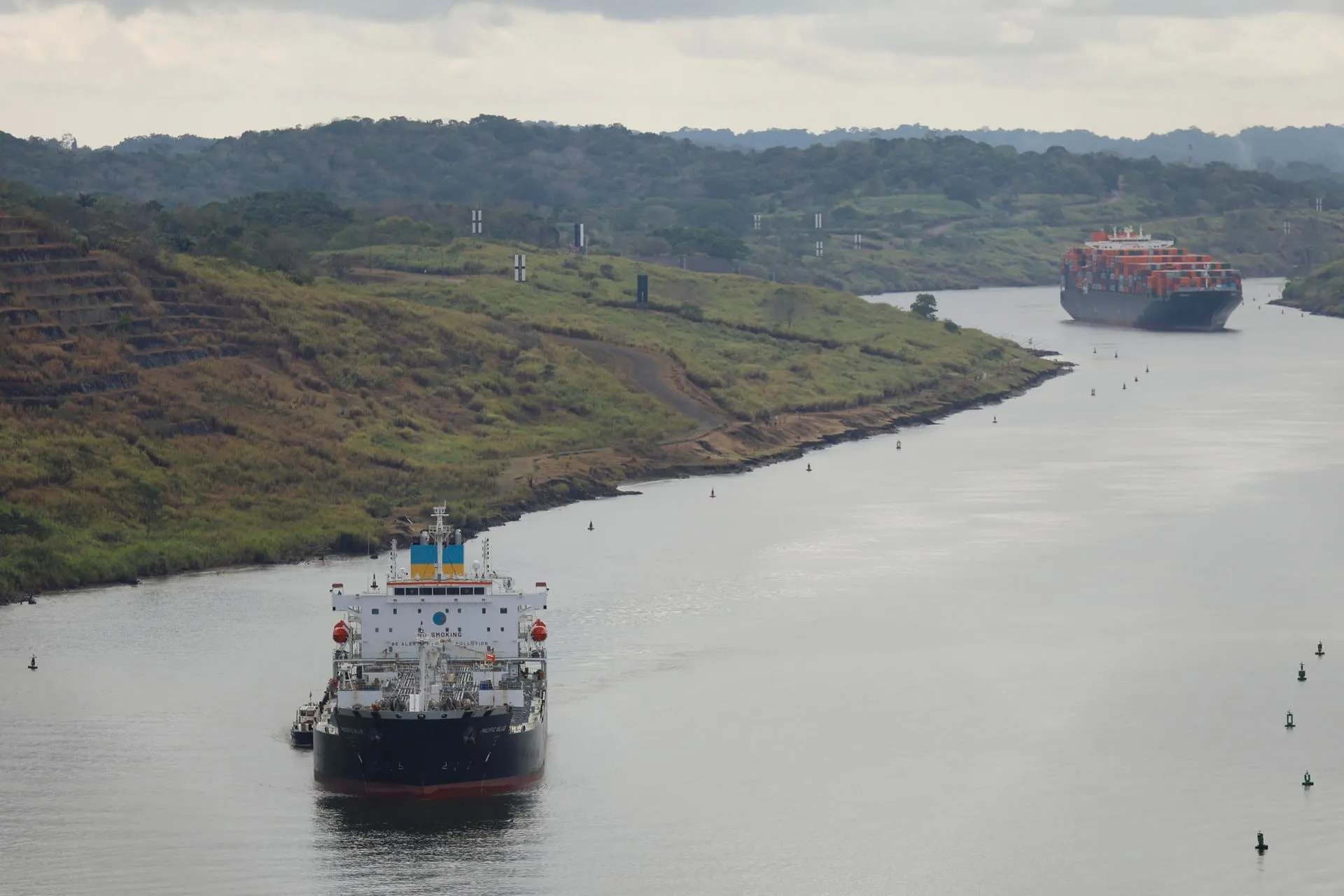
The Panama Canal prepares to face another dry season with forecasts of the Super Niño phenomenon that will put pressure on the lakes that extend interoceanic and provide water for the population
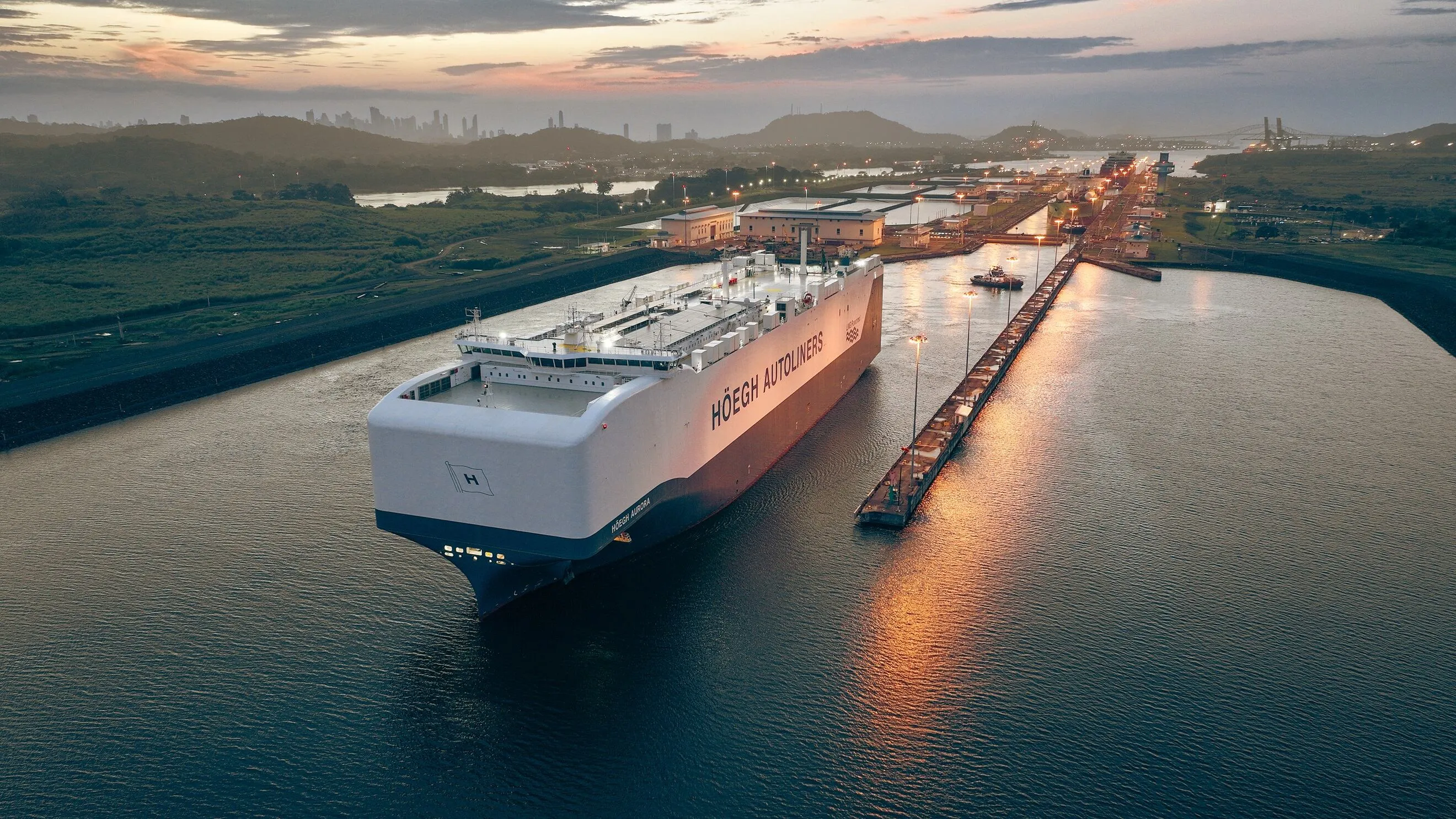
Ilya Espino de Marotta, a sub-manager of the Canal Authority, revealed that to continue with measures of saving and mitigation, another reduction was anticipated at the Neopanamax boat pits, that would put capacity at 44 feet (13.41 metres) between April and May 2027.
Since 3 July of this year, the pits have been at 49.5 feet (15.09 metres) while under normal conditions at the seatlights of the enlarged Canal this measure is 50 feet, equivalent to 15.24 metres.
“We are anticipating that by the summer of 27 April to May, we will reach a 44 foot ground based on the level of traffic we are viewing and the rain forecasts. But at this stage we are not planning to reduce traffic, but to reduce traffic,” Marotta said.
Also, it is envisaged that the pits will be reduced this same month for a second time to 49 feet from 24 July and after that an adjustment to the fall to 48.5 feet or 14.78 metres from 15 August this year.
The sub-manager explained that a volume of rain was reported in June that was 17 per cent lower than the average, leading the Canal to strengthen its operational measures and to prepare for a potential scenario similar to that of 2023 while for several months the pits have been reduced and traffic as well.
He argued that with this stage the Indian river reservoir project is urgent to secure water availability and to prevent climate variability from re-compromising interoceanic track operation, though he recognized that the dam will require about four years of construction, as well as the time necessary to fill the artificial lake.
The Assistant Administrator stated that the crisis at the Ormuz Straits has resulted in a significant increase in Canal transits above their usual level.
He noted, however, that this increased movement coincided with the lack of rain and forced the ACP to anticipate fringes restrictions to reduce the impact on industry while evaluating how rainfall will develop in the coming months.
During a press conference for the commemoration of the ten years of the opening of the extension, the Canal emphasized that the work allowed to preserve the competitiveness of the route, to meet new demand from sea trade and to consolidate Panama as a reliable logistics platform.
The authorities also emphasized that the project had been put into practice with the implementation of complex works, financing, recruitment and management of arbitrations and that they are currently trying to apply them to new strategic projects.