The deployment of submarine cables to address the growing demand for technological infrastructure for data centres will generate global investments of about 16 billion dollars between 2026 and 2029, according to the specialized firm TeleGeography.
Seven submarine cable systems pass through Panama. According to ProPanama, this infrastructure supports 100% of regional internet traffic, 97% of international phone traffic and 90% of regional data transmission, factors that strengthen the competitiveness of the country to attract investment in data centres and technology companies.
The boom of this infrastructure remains growing in both the region and the country.
The TAM-1 system arrived this year, an approximately 7,000 km seaport cable with a capacity of up to 650 terabits per second (Tbps) that will connect the country with the United States, Central America and the Caribbean.
Also, we are expecting to connect with the Manta system, a new project that will also link national territory with the U.S., Mexico and Colombia.
The firm TeleGeography estimates that the investments will represent the largest regsitrates in seawater infrastructure of recent decades, driven by increased demand for cloud services, artificial intelligence, data centers and sustained increased global information traffic.
To this end, the Maritime Authority of Panama reported that it technically evaluates the proposed routes for the installation of new seawater cables, checks their compatibility with other seawater activities, monitors tiling operations, updates water mapping and coordinates actions to protect the areas where this infrastructure is located.
They also clarified that while administrative concessions for the installation of seawater cables are granted by the Ministry of Economy and Finance, AMP will ensure that these projects meet the criteria of safety of navigation and protection of national maritime space.
They noted that a key part of this issue is the protection of seawater infrastructure.
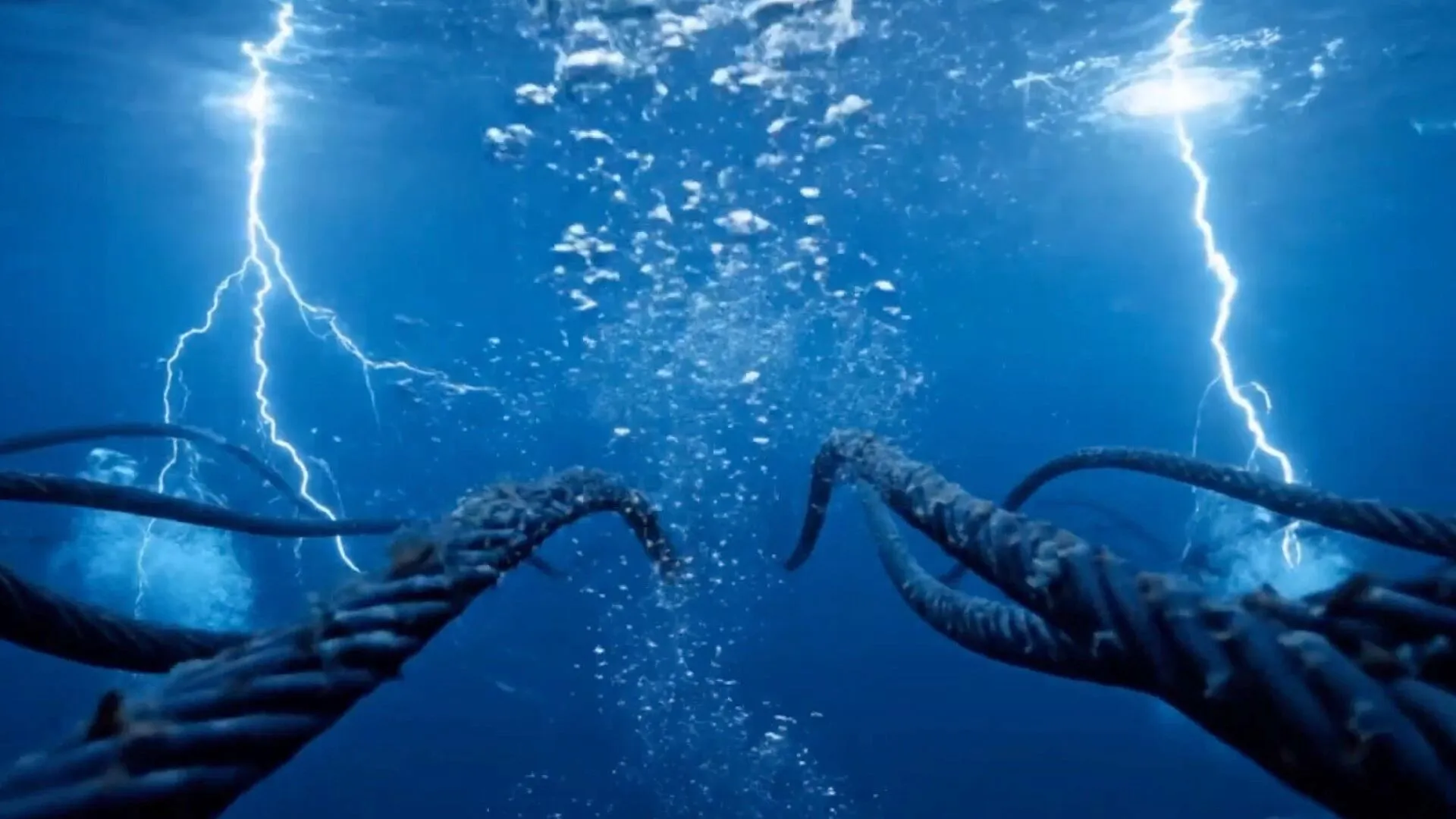
“The protection of this infrastructure also represents an ongoing challenge. Between 2008 and 2019, incidents in Panamanian waters resulted in losses of more than $11 million, mainly for damage caused by founding ships onto seawater wires. To reduce these risks, MPA maintains mechanisms for technical assessment, inter-institutional co-ordination and protection of routes where this critical infrastructure operates.”
While defining new projects, AMP stated that they have jobs to strengthen the maritime safety and position of Panama as one of the region’s main points of digital interconnection with these seawater cables.